

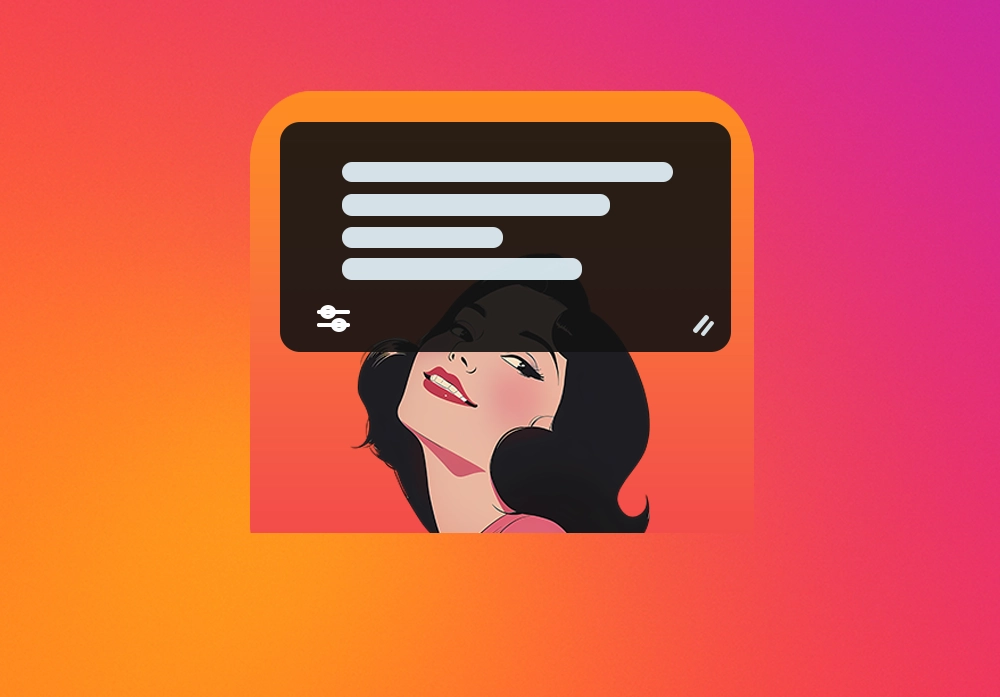
Instagram Has Finally Noticed That Creators Forget Words
The Instagram teleprompter has arrived in the main Instagram camera, because apparently Meta has been watching creators stare slightly to the left of the lens like nervous hostages reading a ransom note from another phone.
The feature allows users to add a script that scrolls across the screen while they record. The text appears close to the front-facing camera, helping creators maintain something resembling eye contact instead of repeatedly glancing toward a notebook balanced against a coffee mug.
Creators can also adjust the scrolling speed. This is important because people do not all speak at the same pace. Some deliver sentences calmly. Others attack language like an auctioneer who has consumed three energy drinks and discovered a trending audio. The teleprompter first appeared inside Meta’s Edits video app. Now it has been brought directly into Instagram, reducing the need to leave the platform or use another app when recording scripted content. Convenient. Suspiciously sensible, even.
What Is The Instagram Teleprompter?
The Instagram teleprompter is a built-in recording tool that displays a scrolling script while you film yourself. You write or paste the words you want to say, choose a suitable scrolling speed and begin recording. The script moves down the screen while you speak, allowing you to follow prepared lines without memorising the entire thing.
👇 RMI – Sample Reviewers Script
@mosseri Review
Welcome back to RateMyInsta.
Where we review Instagram accounts like editors.
Not algorithms.
Today, we are reviewing @mosseri.
Yes.
The man running Instagram has an Instagram account.
That already feels like a chef reviewing his own restaurant while quietly changing the menu during dessert.
First impression?
Clean.
Professional.
Controlled.
The feed says:
“I have an announcement.”
Then another announcement.
Then a clarification about the previous announcement.
Then a Reel explaining why your reach changed after the announcement.
Visually, the account is simple.
Talking-head videos.
Platform updates.
Creator advice.
And the calm expression of a man who knows millions of people are about to blame him personally for Tuesday.
No random latte.
No dramatic sunset.
No photograph of an empty chair pretending to represent loneliness.
Just Adam, the camera, and another quick update that will be misunderstood within six minutes.
The strongest part of the account is clarity.
He speaks directly.
The setup is clean.
And he usually gets to the point without adding seventeen arrows and the words “Wait for it.”
That alone puts him ahead of half the creator economy.
The account also has a very clear purpose.
Explain Instagram.
Discuss product changes.
Answer creator questions.
And occasionally reassure everyone that the machine is working exactly as intended.
Which is comforting.
In the same way a pilot saying “interesting” during turbulence is comforting.
The visual identity is consistent.
Neutral background.
Direct-to-camera framing.
Calm delivery.
And somewhere, a social media manager opening a spreadsheet.
This is not an art gallery.
It is a public information desk with good lighting.
Now, the captions.
They are usually clear and practical.
No mysterious poetry.
No “just vibes.”
No quote from Rumi beneath an algorithm update.
Thank God.
But the account creates a strange little loop.
Creators ask how Instagram works.
Adam explains how Instagram works.
Creators interpret the explanation.
Everyone creates the same content for two weeks.
Then Adam returns to explain why everyone creating the same content was not the point.
Beautiful ecosystem.
The engagement is massive.
But the comment section often feels like a public town hall held during a power cut.
Some people ask serious questions.
Some report broken features.
Some demand the chronological feed return from the dead.
And at least one person is asking why their cousin’s bakery lost reach after posting fourteen identical cupcakes.
The audience is engaged.
Calm?
Less certainly.
The most interesting part is the tension between the message and the platform.
Be yourself.
But check retention.
Be authentic.
But make the first three seconds stronger.
Do not chase trends.
However, here is the trending audio section.
Create for people.
Now please study this graph.
The account handles that contradiction with remarkable calm.
Probably because screaming would hurt watch time.
To be fair, the profile does something useful.
It gives Instagram a human face.
Instead of every platform change arriving as a help-centre paragraph written by legal furniture, users get an actual person explaining the reasoning.
Even when the explanation creates another twelve questions.
Even when the comments immediately catch fire.
Would we follow?
Yes.
Especially if you create content, manage social media, or enjoy watching Instagram move another button.
Final verdict.
@mosseri is clear, consistent, useful, recognisable, and permanently standing three comments away from a digital riot.
The account knows exactly what it is.
A calm control room for a platform powered by noise.
Visual identity?
Four out of five.
Content strategy?
Five out of five.
Consistency?
Five out of five.
Engagement quality?
Four out of five.
Emotional safety while reading the comments?
Absolutely unavailable.
Should you follow?
Yes.
But maybe mute notifications.
Another quick update is always coming.
End of review.
The text is positioned close to the camera so your eyes remain nearer the lens. That should make videos feel more direct. Instead of looking away every few seconds, creators can appear to speak naturally to the viewer while secretly following a carefully prepared paragraph about skincare, aperture settings, emotional wellness or why everyone needs another productivity system.
It is not revolutionary technology. Teleprompters have existed for decades. Instagram has simply placed one inside the same app where millions of people already record Reels. Sometimes innovation is just moving a useful button into the room where people actually need it.
Why Creators Asked For This
Recording a scripted Reel can be strangely annoying. You write the script. You memorise the opening sentence. You press record. Your brain immediately deletes every known word from the English language. Take two begins confidently and collapses halfway through. Take three contains a strange cough. Take four is perfect except for the part where someone slams a door. By take nine, the original enthusiasm has left your face and started a new life abroad.
Creators often solve this by placing notes beside the phone, using another device as a prompt or memorising small sections at a time. Every method adds friction. The eyes move away from the camera. Delivery becomes broken. Editing requires more cuts. The final Reel begins to resemble a hostage statement assembled from twenty-seven fragments.
A built-in teleprompter removes some of that chaos. The creator can stay on message, reduce retakes and record longer sections without treating each sentence like a memory examination.
Talking-Head Reels Could Become Less Painful
The feature is especially useful for talking-head videos. These are the Reels where someone faces the camera and explains something: a tutorial, opinion, product, story, review, tip, warning or seven-part lecture about why everyone else is using Instagram incorrectly. Talking-head content looks easy because the finished result is usually one person speaking.
It is not always easy. The creator has to remember the structure, sound confident, maintain eye contact, control pacing, avoid filler words and somehow look natural while staring into a tiny black circle attached to a rectangle. A teleprompter can reduce the mental load.
Instead of remembering every sentence, the creator can focus on tone, expression and delivery. That may produce smoother videos with fewer awkward pauses and fewer edits designed to conceal the moment the speaker’s brain temporarily left the premises.
It Could Make Reels More Focused
One of the strongest benefits is not eye contact. It is discipline. Many Reels begin with a clear subject and then wander into the forest. The creator repeats the point, adds unnecessary background, explains a side issue, remembers another thought, forgets the original thought and finally ends with “so yeah” because the video has now become an informal hostage situation.
Writing a script forces structure.
- What is the opening?
- What is the point?
- What does the viewer need to understand?
- What can be removed?
- How should the Reel end?
A teleprompter makes that structure easier to deliver. It will not write a good script for you. It will not identify which sentence is boring. It will not physically stop you from turning one tip into a four-minute autobiography. But it can help you follow the plan you already made.
Scripted Does Not Have To Mean Robotic
Some creators hear the word “script” and immediately imagine a corporate spokesperson blinking through a legal statement.
That is not the script’s fault. A badly written script sounds robotic because it was written like a document instead of speech. The sentences are too long. The words are too formal. Nobody talks like that unless they are presenting quarterly results or being replaced by a wax figure.
A good Reel script should sound spoken. Use shorter sentences. Use contractions. Leave space to breathe. Write the way you naturally talk, only with less wandering and fewer verbal objects rolling loose around the floor.
Read the script aloud before recording. If a sentence feels awkward in your mouth, rewrite it. If you run out of breath, shorten it. If it sounds like an official announcement from the Department of Beige Content, remove whatever killed the pulse. The teleprompter should support your voice. It should not turn you into airport signage.
Eye Contact Will Improve, But Do Not Stare Into Souls
Because the text sits close to the front-facing camera, creators should be able to maintain better eye contact. That can make a Reel feel more direct and conversational. Viewers notice when someone keeps looking away. Even if they do not consciously understand why, the delivery feels less connected. It can look as though the creator is reading instructions from someone standing beside the phone.
The teleprompter brings the gaze closer to the lens. But creators should still behave like humans. Do not stare into the camera without blinking for forty-five seconds while reading every word with the emotional range of a parking meter. Look away naturally when appropriate. Pause. React.
Smile if the subject deserves it. Use your face like it is connected to the words. The goal is not perfect eye contact. The goal is believable communication.
Scrolling Speed Will Make Or Break The Delivery
Instagram allows creators to control the teleprompter speed. Good. A teleprompter moving too quickly creates panic. The speaker begins chasing the words, delivery speeds up and the Reel suddenly sounds like a disclaimer at the end of a pharmaceutical advertisement. A teleprompter moving too slowly creates another problem. The creator waits for the next sentence while pretending the pause is thoughtful.
Test the speed before recording. Choose a pace slightly slower than your normal speaking rhythm. That gives you room to pause, emphasise words and recover if you stumble. Do not force your voice to follow the machine.
The machine should follow your voice. This sounds obvious, yet social media has spent years training creators to reorganise their entire nervous systems around whatever the platform places on screen.
Product Reviews And Tutorials Could Benefit
The teleprompter could be genuinely useful for product reviews, explainers and tutorials. These videos often contain specific details that creators do not want to forget: names, measurements, prices, steps, warnings, features or technical terms. Trying to remember all of that while presenting naturally is difficult.
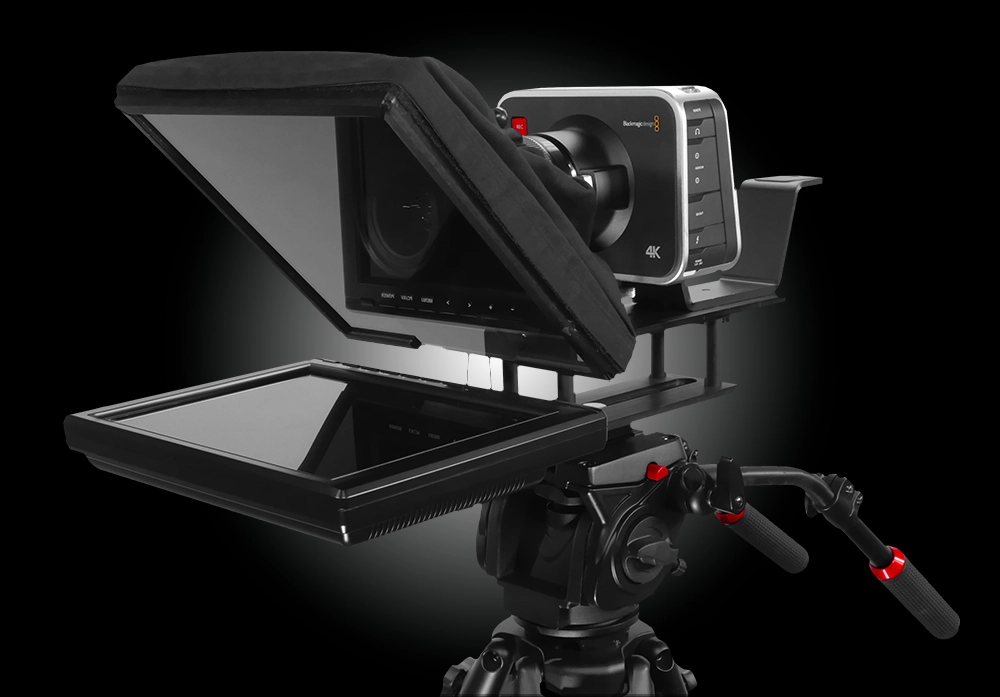
A script keeps the information accurate and organised. A photographer reviewing a lens could list key specifications without repeatedly checking notes. A makeup creator could explain product names and application steps clearly. A small business owner could describe an offer without forgetting the one condition likely to produce seventeen angry comments later.
Accuracy matters. Especially when a video contains advice, claims or instructions. Nobody wants to correct a Reel after it has already reached eighty thousand viewers and three men named Kevin have turned the comments into a courtroom.
Educational Creators May Be The Biggest Winners
Educational creators could gain the most from this feature. Teaching through short video requires compression. The creator must explain something clearly without removing the context that makes it true. That is difficult. Too much detail and the viewer leaves.
Too little detail and the explanation becomes misleading. A written script helps control that balance. It allows educators to organise ideas, remove repetition and deliver precise language without improvising their way into accidental nonsense.
The teleprompter can then make the script easier to perform. This could help language teachers, photographers, trainers, financial educators, historians, software creators and anyone else trying to teach something between dance trends and a dog wearing sunglasses.
The tool will not make weak information useful. But it can make useful information easier to deliver.
It Could Help Creators Who Hate Being On Camera
Not every creator enjoys talking to a lens. Some freeze. Some forget everything. Some become painfully aware of their hands. Some record twenty takes and finally post a photograph instead.
A teleprompter may lower that barrier. Knowing the words are visible can reduce anxiety. The creator does not need to carry the entire structure in memory while also thinking about lighting, framing, sound and whether their face has suddenly become asymmetrical.
That could encourage more photographers, artists and quieter creators to speak about their work. Not everyone needs to become a high-energy presenter shouting hooks at strangers. A calm, prepared explanation can be far more effective. Especially when it does not begin with “Stop scrolling” and end with an emotional threat about saving the post.
A Teleprompter May Lower That Barrier.
Knowing the words are visible can reduce anxiety. The creator does not need to carry the entire structure in memory while also thinking about lighting, framing, sound and whether their face has suddenly become asymmetrical.
That could encourage more photographers, artists and quieter creators to speak about their work. Not everyone needs to become a high-energy presenter shouting hooks at strangers. A calm, prepared explanation can be far more effective. Especially when it does not begin with “Stop scrolling” and end with an emotional threat about saving the post. The Tool Could Also Create A New Wave Of Dead-Eyed Content
The Tool Could Also Create A New Wave Of Dead-Eyed Content
Naturally, there is a downside. When technology makes scripted video easier, more people will create scripted video badly. We are about to receive a flood of creators reading text directly at the camera with no rhythm, emotion, emphasis or sign that the words passed through a human nervous system.
The script will scroll. The eyes will move. The mouth will produce syllables. The soul will be working remotely.
A teleprompter cannot fix dull writing or flat delivery. It may actually make those weaknesses more visible because the creator can now read an entire boring paragraph without interruption. Efficiency is not personality. A perfectly delivered message can still be completely forgettable.
Do Not Turn Every Reel Into A Speech
The teleprompter is useful, but not every Reel needs one. Some content works because it feels spontaneous. A reaction, behind-the-scenes moment, quick observation or informal story may lose energy when every word is prepared in advance.
Creators should use scripts where clarity matters. Tutorials, opinions, explainers, announcements and structured stories can benefit. Casual moments may not. The danger is turning every Reel into a miniature keynote presentation. Instagram is already full of people speaking with the certainty of world leaders while explaining how to arrange three photos in a carousel.
Sometimes the correct amount of scripting is a short outline. Sometimes the correct script is one sentence. Sometimes the correct creative decision is to say nothing and show the work.
How To Write A Teleprompter Script That Sounds Human
Start with one clear idea. Not four ideas. Not a life story. Not a family history followed by the tip. One idea. Write the opening so the viewer immediately understands why the Reel matters. Avoid fake drama unless actual drama exists. “You have been doing this wrong your entire life” is rarely necessary when the subject is changing a camera strap.
Keep the sentences short. Use ordinary language. Place one thought in each line or paragraph so the script is easier to follow while it scrolls. Add pauses where you naturally want to breathe. Highlight important words mentally, even if the tool does not format them differently.
Then read the script aloud and remove anything that sounds written rather than spoken. The best script should feel like a sharper version of you. Not a replacement version assembled by a communications department.
Do Not Read Every Word At The Same Speed
Natural speech has rhythm. People speed up, slow down, pause, emphasise and occasionally stop because a thought deserves room. Teleprompter users often flatten that rhythm. They follow the scroll at one speed and give every sentence equal importance. That makes content feel artificial.
Mark the moments where you want to pause. Slow down before the main point. Leave a beat after an important statement. Do not fear silence. A half-second pause will not cause the algorithm to send armed officers to your house.
Delivery matters because people respond to voice as much as information. The same sentence can sound useful, funny, angry, warm or deeply concerning depending on how it is spoken.
Look At The Lens, Not Every Letter
The teleprompter is a guide, not an eye examination. Do not visibly chase every word across the screen. Use the script as a reminder of what comes next. Read phrases rather than individual words. Let your eyes return to the lens between lines. If the audience can see your pupils moving like someone following a tennis match, the illusion has collapsed.
Keep the text close to the camera. Increase the font size if needed. Adjust the speed. Practice once before recording the final take. One rehearsal can prevent the video from looking like you are reading the terms and conditions of your own personality.
Keep The Script Shorter Than You Think
Most scripts are too long. Creators write for the amount they want to say rather than the amount a viewer wants to hear. Those are very different measurements. Cut the introduction. Remove repeated explanations. Delete sentences that only prove you know more. Get to the point before the viewer moves on to someone restoring a rusty knife in complete silence.
A teleprompter makes longer scripts easier to record, but that does not mean longer scripts are automatically better. The feature removes production friction. It does not remove audience impatience.
Should Photographers Use The Instagram Teleprompter?
Yes, when the words support the photography. Photographers could use it to explain a project, describe a lighting setup, discuss an image, introduce a series, review equipment or tell the story behind a shoot. The teleprompter can help keep technical explanations accurate and stop the presenter from forgetting the one detail that gives the whole photograph context.
But photographers should not feel pressured to transform every image into a talking-head Reel. The photograph still matters. The process should serve the work, not replace it. An account can quickly become fifty percent photography and fifty percent the photographer explaining why they are a photographer. At some point, show us the picture.
Instagram Wants More Creation To Stay Inside Instagram
Moving the teleprompter from Edits into the main Instagram camera fits a wider strategy. The fewer external tools creators need, the more of the production process remains inside Meta’s ecosystem.
Creators can record, edit, script and publish without leaving the app. That is convenient for users. It is also convenient for Instagram. Every production task kept inside the platform strengthens its control over the creator workflow. The app does not merely distribute the content. It increasingly shapes how the content is planned, recorded and presented.
That is not automatically sinister. But creators should notice it. A helpful tool is still part of a platform strategy. The teleprompter wants to save you time. Instagram wants that saved time spent making another Reel.
The RMI Take: Useful Tool, Dangerous Cure For Personality
The Instagram teleprompter is a practical addition. It solves a real problem. Creators can stay on script, maintain better eye contact and reduce the number of retakes required for talking-head content.
For educational videos, reviews, tutorials and structured opinions, it could make the recording process much smoother. But creators should resist the temptation to script every breath.
A good Reel needs clarity, but it also needs personality. Viewers should feel someone is speaking to them, not reading a statement prepared after an incident. Use the teleprompter to remember the point. Use it to organise the message. Use it to avoid forgetting the price, step, warning or conclusion. Then stop staring at the words and communicate like a person. The tool should remove the panic. It should not remove the pulse.
Summary
- The Instagram teleprompter is now available inside the main Instagram camera after first appearing in Meta’s Edits app. It allows creators to add a scrolling script while recording and adjust the speed to match their delivery.
- The text appears close to the front-facing camera, helping creators maintain better eye contact and avoid repeatedly looking away at notes.
- The feature may be especially useful for educational creators, reviewers, small businesses and anyone making structured talking-head Reels.
- Creators should still write scripts for speech rather than formal reading, keep sentences short, test the scrolling speed and avoid delivering every line with the emotional range of an office printer.
Final Analysis: Instagram Gave Your Reel A Script, Not A Personality
The Instagram teleprompter is one of those updates that makes immediate sense. It saves time. It reduces retakes. It helps people stay focused. It makes scripted videos easier to record without repeatedly glancing away from the camera like someone checking whether the exit is still available.
For many creators, that is genuinely useful. But the feature cannot create a good idea, write a sharp script or make dull delivery interesting. It can only display the words you gave it. If those words are bloated, generic or lifeless, the teleprompter will present them beautifully. That is the danger.
Instagram has solved the problem of forgetting what to say. Creators still need something worth saying.
Happy Teleprompting. Until next time 🫵😎